Shockwave Therapy for Soft Tissue Injuries: An Overview
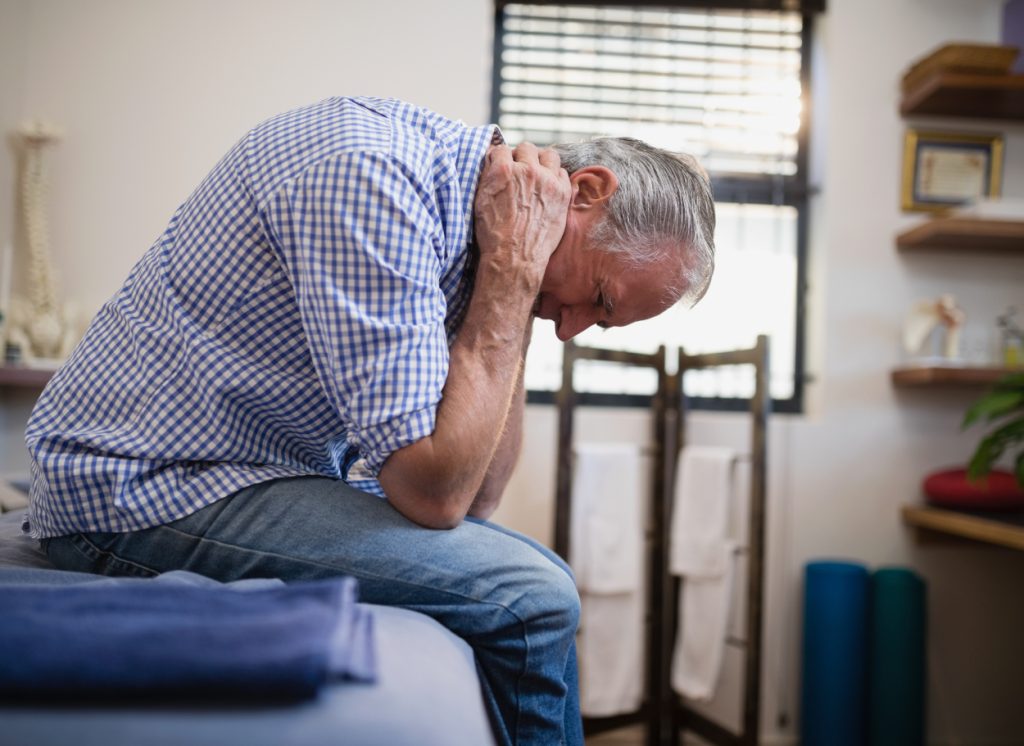

Soft tissue injuries have a way of lingering. A rolled ankle that should have settled in a few weeks still aches on uneven ground. A sore heel turns the first steps of the morning into a ritual of caution. A stubborn elbow limits simple tasks long after the original strain has passed. These are the cases that often push patients and clinicians to look beyond rest, ice, and generic exercise sheets. Shockwave Therapy has become part of that conversation, not as a miracle fix, but as a useful option in the right setting.
The phrase itself can sound more dramatic than the treatment usually feels. In practice, shockwave therapy refers to the delivery of mechanical acoustic energy into injured tissue. The goal is not to “blast away” damage. It is to stimulate biological activity in tissue that has stalled, become chronically irritated, or failed to remodel well. In musculoskeletal care, it is most often discussed for tendon problems, plantar fascia pain, and selected calcific conditions around the shoulder.
What makes it worth understanding is that it sits in an interesting middle ground. It is more active and targeted than waiting things out, but less invasive than injections or surgery. It also comes with nuance. It can be excellent for one patient and underwhelming for another, depending on diagnosis, timing, loading patterns, and how the rest of the rehab plan is managed.
What shockwave therapy actually is
At a technical level, shockwave therapy uses a device to deliver pressure waves into tissue. Those waves travel through skin and subcutaneous tissue toward a selected target area. In musculoskeletal practice, two broad forms are commonly discussed: focused shockwave and radial pressure wave therapy. Different clinics use different terminology, and not every provider draws the distinction with perfect consistency, but the practical point is simple. Devices vary in how deeply and precisely they deliver energy, and that matters when selecting a treatment for a superficial tendon versus a deeper structure.
The treatment itself is usually done in an outpatient setting. Gel is applied to improve contact. The provider identifies the painful or affected region by palpation, imaging, or both, then delivers a series of pulses over several minutes. Most courses involve multiple sessions rather than a one-off appointment. A common pattern is three to five treatments spaced about a week apart, though protocols differ.
Patients often ask whether it is “electrical.” It is not the same as TENS, ultrasound, laser, or dry needling. The sensation is mechanical, repetitive, and sometimes sharp over sensitive tissue. The intensity can usually be adjusted. A well-run session is uncomfortable at moments, but it should remain tolerable. If someone leaves feeling as if the tissue has been aggressively battered, the dose may have been too high for the condition or the individual.
Why clinicians use it for stubborn soft tissue problems
Acute soft tissue injury and chronic soft tissue injury behave differently. A fresh muscle strain or recent ligament sprain usually enters a predictable healing phase. Protection, gradual loading, and time do much of the heavy lifting. Chronic tendon pain, persistent fascia irritation, or a long-standing insertional pain pattern is another story. By that point, tissue often shows disorganized healing, altered load tolerance, local sensitivity, and poor adaptation to repeated stress.
Shockwave Therapy is used because it may help move that stalled tissue response in a better direction. The proposed effects include stimulation of local blood flow, changes in pain signaling, and promotion of cellular activity related to tissue remodeling. In calcific shoulder conditions, there is also interest in its ability to disrupt or help resorb calcium deposits over time. Some of these mechanisms are better supported than others, and not every beneficial outcome can be pinned to one pathway. Still, in day-to-day practice, many clinicians see a pattern: the right patient begins tolerating load better after a short course, then progresses more effectively with exercise.
That last part matters. Shockwave therapy is rarely the whole treatment. In better outcomes, it tends to be one tool inside a broader plan that addresses strength, tendon capacity, mobility deficits, training errors, footwear, workload spikes, and recovery habits. When it is sold as a standalone cure, expectations drift away from reality.
The kinds of injuries that may respond
The strongest clinical interest has centered on chronic tendinopathies and similar overuse conditions rather than fresh tears. Among the more common examples are plantar fasciopathy, Achilles tendinopathy, patellar tendinopathy, lateral elbow tendinopathy, and calcific tendinopathy of the rotator cuff. There are also cases where clinicians use it for proximal hamstring pain, gluteal tendinopathy, or selected myofascial pain patterns, although the evidence and experience are more variable.
A key distinction is between tissue that is painful and overloaded versus tissue that is structurally disrupted in a way that needs protection or repair. If someone has a major tendon rupture, an unstable ligament injury, or a muscle tear with significant loss of function, shockwave therapy is not the first issue to solve. Accurate diagnosis comes first.
This is where real-world judgment becomes important. Heel pain is a good example. A patient may present with what sounds like classic plantar fasciopathy, but the actual driver could be a fat pad issue, a stress injury, a nerve entrapment, or inflammatory disease. Treating every heel pain case with shockwave is lazy medicine. The same applies to shoulder pain. Calcific tendinopathy can respond well in selected cases, but shoulder pain is a crowded diagnosis space, and imaging findings do not always explain symptoms.
What the evidence suggests, and where it is less clear
The evidence base for shockwave therapy is mixed in the way many rehabilitation topics are mixed. Some conditions show more consistent support than others, and study quality varies. Broadly speaking, there is reasonable support for its use in certain chronic tendinopathies and plantar fasciopathy, especially when symptoms have persisted for months and simpler measures have failed. That does not mean every study is strongly positive, or that all devices and protocols perform equally well.
Plantar fasciopathy is one area where shockwave often enters the conversation after stretching, load management, footwear changes, and calf work have not been enough. Clinically, it can be useful in the patient who has been sore for six months, has marked morning pain, and cannot regain normal walking tolerance despite a decent exercise program. Some improve substantially over a treatment course and the following weeks. Others notice only modest change. It is not unusual for progress to appear gradually rather than immediately.
Achilles and patellar tendinopathies are similar in that response depends heavily on whether loading is handled well alongside treatment. A tendon that is repeatedly being provoked by sprinting, jumping, or excessive hill work will often fail to settle no matter how many modalities are layered on top. In those cases, shockwave may help, but only if the training dose is corrected and strength work is structured properly.
The evidence becomes less convincing when people generalize shockwave therapy to almost any musculoskeletal pain. That is one of the common commercial distortions around it. A therapy can be valuable without being universal. Good practice depends on respecting those limits.
What a course of treatment feels like
Most people want to know two things before booking: does it hurt, and how soon will I notice a difference?
The first answer is yes, it can hurt, but usually in a controlled way. Sensitive tendon insertions can be particularly sharp for brief moments. A skilled provider will dose the session so it is purposeful rather than punishing. There is no prize for gritting through unnecessarily high intensity. Some tissues respond well to moderate settings that the patient can tolerate without bracing the entire body.
The second answer is more variable. A few patients feel looser or less sore within days. More often, the meaningful change emerges over a few weeks as symptoms settle and loading tolerance improves. That delayed response is one reason clinicians should be careful not to oversell dramatic instant relief. Biological change tends to unfold on tissue time, not marketing time.
A typical appointment is short. The setup, assessment check-in, and treatment can often be completed within 15 to 30 minutes. Afterward, the area may feel irritated, warm, or bruised for a day or two. Most patients can continue normal daily activities, but high-intensity sport may need to be modified temporarily depending on the tissue involved.
It works best when paired with the right rehab plan
The patients who do best with shockwave therapy are often those who understand that pain relief is not the same as restored capacity. Tendons and fascia need progressive load to adapt. If symptoms quiet down but strength, stiffness tolerance, or movement strategy remain unchanged, the same problem tends to return.
For Achilles tendinopathy, for instance, heavy slow calf loading, appropriate progression, and training modification still form the backbone of care. For lateral elbow pain, grip demands, wrist extensor loading, and workstation or sport mechanics often matter. For plantar fascia problems, calf strength, foot loading tolerance, bodyweight changes, footwear habits, and time spent standing can all influence outcomes.
A useful way to think about shockwave is as a catalyst. It may improve the tissue environment enough for exercise and activity progression to start working better. That is valuable, especially in chronic cases where pain has become the main barrier to consistent loading. But if there is no intelligent plan after the treatment, the window it creates may be wasted.
Where it tends to fit in the treatment timeline
Not every soft tissue injury needs shockwave therapy early. In a recent strain or mild overuse flare, it is often sensible to begin with diagnosis, load modification, and targeted exercise. Many cases improve without additional intervention. Shockwave usually enters the picture when symptoms have persisted, when function has plateaued, or when standard conservative care has been well tried and not enough progress has followed.
There is also a practical reason for that sequencing. Chronic soft tissue pain can sometimes improve with very straightforward changes: fewer aggravating sessions per week, better sleep, more deliberate warm-ups, a heel lift for a reactive Achilles, or a temporary change in footwear. If those basics have not been addressed, moving straight to device-based treatment skips steps that may matter more.
That said, there are scenarios where introducing shockwave earlier is reasonable. A competitive athlete in season, for example, may need every lawful edge available to keep symptoms manageable while maintaining output. Even then, it should be integrated thoughtfully rather than used as a substitute for load management.
Who is a reasonable candidate
The best candidates usually share a few features. They have a clear working diagnosis, symptoms that have persisted long enough to suggest a stalled recovery, and a structure that is known to sometimes respond well. They are also willing to follow through with the exercise and activity adjustments that give the treatment a fair chance to work.
The following situations are often where clinicians consider Shockwave Therapy:
- chronic plantar fasciopathy
- chronic Achilles tendinopathy
- patellar tendinopathy
- lateral elbow tendinopathy
- calcific rotator cuff tendinopathy
Even in these groups, candidacy is not automatic. A recreational runner with mid-portion Achilles pain for eight months, failed load progression, and persistent morning stiffness may be a good fit. A person with acute calf pain after a sudden pop while sprinting is a very different case and needs a different workup.
When caution or avoidance makes sense
As with most treatments, context matters as much as technique. Providers generally screen for pregnancy over the treatment area, local infection, certain bleeding risks, impaired sensation, recent steroid injection in the region, active malignancy in the area, and open growth plates in younger patients, depending on the site and device. A person on anticoagulant medication, for example, may not be an absolute no in every case, but it raises the threshold for proceeding casually.
There are also practical forms of caution that do not show up well in marketing brochures. An elite basketball player in the middle of a packed competition week may tolerate the treatment poorly if post-session soreness affects jumping the next day. A construction worker with no ability to reduce heavy loading may get less benefit because the tissue never gets a workable recovery window. A patient with widespread pain sensitization may interpret the local discomfort of treatment as threatening, which can make the experience counterproductive.
These are the situations where experienced clinicians earn their keep. The question is not just, “Can I apply shockwave here?” It is, “Does it fit this tissue, this person, this stage, and this week?”
Side effects, limitations, and common misconceptions
Shockwave therapy is generally considered low risk when used appropriately, but low risk is not the same as risk free. Temporary soreness is common. Mild bruising, skin redness, and short-term symptom flare can occur. Most settle without issue. A dramatic worsening is uncommon, but if it happens, the diagnosis or dosing should be reconsidered.
One misconception is that a more painful session must be more effective. That is not a reliable rule. Another is that it repairs torn tissue directly. For chronic tendinopathy, the issue is often not a fresh “tear” in the way patients imagine it. The treatment is intended to influence tissue behavior and pain, not perform mechanical reconstruction.
A third misconception is that imaging improvement should be immediate or even necessary for clinical success. In practice, symptom relief and function matter more than perfect-looking https://maps.app.goo.gl/n6tGFLfRHhk3QR39A scans. Tendons can remain structurally imperfect while becoming much less symptomatic and more load tolerant. On the flip side, if pain remains severe and function does not improve, repeating treatment indefinitely just because it is available is poor practice.
The patient experience is shaped by communication
One thing I have seen repeatedly in musculoskeletal care is that expectations affect adherence. If patients are told shockwave therapy is a quick fix, they get discouraged when week one feels the same. If they are told it may cause a temporary flare, but that progress often shows up across several weeks when paired with rehab, they tend to stay the course and judge it more fairly.
The way providers explain post-treatment care matters too. Some are overly restrictive and tell patients to stop nearly everything. Others provide so little guidance that the patient goes straight back to maximal load. The sensible middle ground depends on the diagnosis, but usually involves keeping the tissue active while avoiding obvious provocation spikes.
This is also why packaged sales language can do harm. A patient with long-standing plantar fascia pain may benefit from three or four sessions, good footwear advice, calf strengthening, and reduced aggravating load for a period. Selling ten prepaid sessions before a proper assessment puts revenue ahead of judgment.
Questions worth asking before starting
If a patient is considering shockwave therapy, a short conversation can reveal whether the clinic is practicing carefully or simply offering a fashionable modality. Useful questions include:
- what exact diagnosis are you treating
- what type of shockwave device do you use for this problem
- how many sessions do you usually recommend for cases like mine
- what should I do, and avoid, between sessions
- what other rehab work needs to happen alongside it
The quality of the answers matters more than the polish of the website. A strong clinician will usually talk about diagnosis, expectations, loading, and alternatives. A weak one tends to speak in sweeping promises.
Cost, access, and the value question
For many patients, the decision is partly financial. Shockwave therapy is often not cheap, and coverage varies widely by insurer and region. That makes the value question practical, not academic. If someone has never had a sound assessment, never tried a structured loading program, and has modifiable risk factors that have not been addressed, paying for a device-based treatment may be premature.
On the other hand, there are patients who have already done the basics well and are still stuck. In that group, the treatment can be a reasonable investment, especially if it helps avoid repeated injections, prolonged work limitation, or drifting toward surgery too quickly. The key is matching the cost to a realistic probability of benefit, not the most optimistic sales pitch.
Where shockwave therapy fits in modern soft tissue care
Shockwave Therapy has earned a place in musculoskeletal practice, particularly for chronic soft tissue conditions that resist simpler care. Its strength is not that it replaces rehabilitation, but that it can support it. When the diagnosis is sound, the tissue type is appropriate, the dose is sensible, and the loading plan is managed well, it can make a meaningful difference in pain and function.
The treatment also rewards restraint. Not every sore tendon needs it. Not every clinic uses it well. Not every patient should expect the same outcome. The most reliable results come when it is selected for a specific reason, explained honestly, and folded into a broader recovery strategy that respects how soft tissue actually heals.
For patients dealing with a persistent tendon or fascia problem, that balanced view is helpful. Shockwave therapy is neither hype nor magic. It is a legitimate option with clear uses, clear limits, and the best chance of success when it is part of thoughtful, individualized care.
Injury Recovery Center
Address: 730 W Hampden Ave Ste. 250, Englewood, CO 80110
Phone number: +17203289033
FAQ About Shockwave Therapy
What does shockwave therapy actually do?
Shockwave therapy delivers high-energy acoustic sound waves through the skin to an injured area. This process "wakes up" stubborn, chronic soft-tissue injuries by increasing local blood flow, breaking down calcifications, and triggering the body's natural cellular repair and tissue regeneration mechanisms.
What are the drawbacks of shockwave therapy?
Shockwave therapy can cause temporary pain, skin redness, bruising, swelling, or numbness at the treatment site. It may require multiple sessions, can be costly out-of-pocket because insurance often does not cover it, and is unsafe for pregnant individuals or those with blood-clotting disorders.
Does shock wave therapy really work?
Yes, shock wave therapy (extracorporeal shockwave therapy, or ESWT) works well for specific chronic soft-tissue and bone conditions, showing success rates around 60% to 80% for stubborn issues like plantar fasciitis and tennis elbow when other conservative treatments fail.