How Shockwave Therapy Stimulates Natural Healing

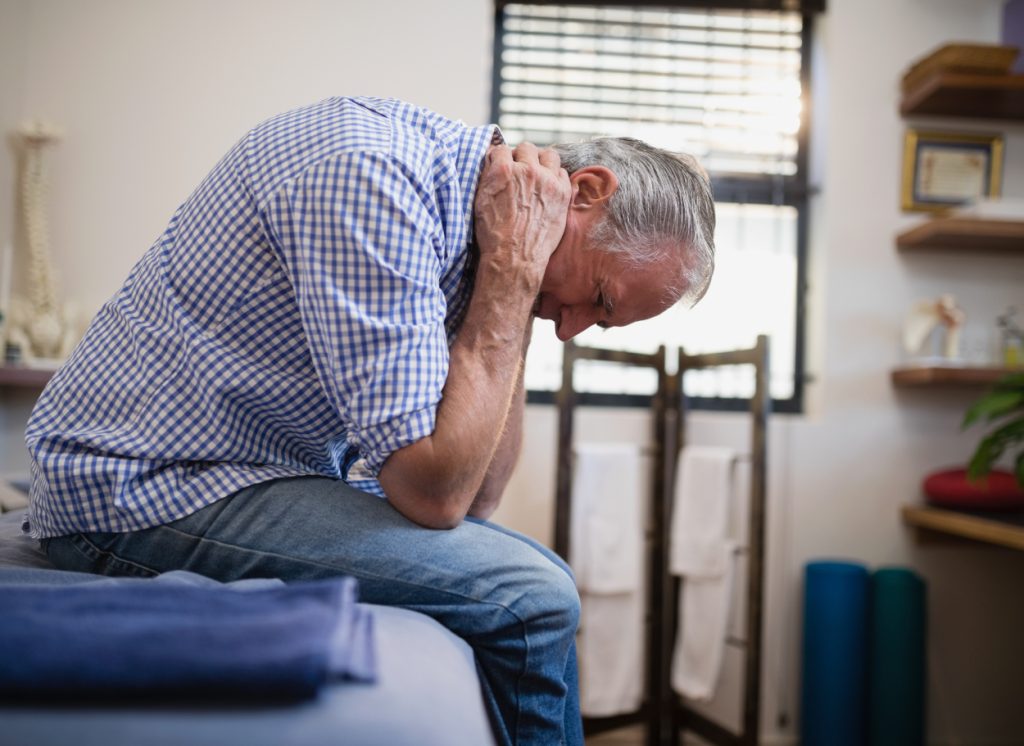

Pain has a way of narrowing a person’s life. A runner starts mapping routes around the least painful hills. A warehouse worker changes how he lifts, then how he sleeps, then how he plays with his kids. A tennis player begins the match thinking about her elbow before she thinks about her serve. By the time many people hear about Shockwave Therapy, they are not chasing novelty. They want a treatment that helps tissue recover without surgery, prolonged downtime, or another cycle of temporary relief.
That is where shockwave treatment has earned real clinical interest. Despite the name, it is not an electrical shock and it is not designed to “break” tissue. The therapy uses acoustic waves, mechanical pulses of energy delivered to a specific area, to stimulate biological activity in tissue that has stalled in an unhealthy state. In practice, it is often used for stubborn tendon problems, plantar fasciitis, calcific shoulder pain, and other musculoskeletal conditions that have not responded well to rest, stretching, medication, or standard physical therapy alone.
The appeal is straightforward. The body already knows how to heal. The challenge in chronic soft-tissue problems is that healing can become incomplete, disorganized, or sluggish. Shockwave Therapy aims to nudge the body back into an active repair response.
What shockwave therapy actually is
The terminology can be confusing because several devices and methods fall under the same https://maps.app.goo.gl/n6tGFLfRHhk3QR39A broad label. In clinics, “Shockwave Therapy” usually refers to one of two forms: focused shockwave or radial pressure wave therapy. Both deliver mechanical energy to tissue, but they behave differently.
Focused shockwave reaches deeper structures with a more concentrated energy profile. Radial systems spread energy more broadly and are commonly used in sports medicine, physical therapy, and rehabilitation settings. Patients often do not care much about the physics at first, and that is understandable. What matters to them is whether the treatment is appropriate for their specific condition, and whether the clinician knows how to match the device, intensity, and location to the tissue involved.
A good practitioner does not simply point the applicator at the sore spot and start. They assess the irritated structure, how long symptoms have been present, what movements provoke pain, whether the area is acutely inflamed or chronically degenerated, and whether the diagnosis actually fits a problem that responds well to acoustic wave treatment. That judgment is a large part of why outcomes vary.
The healing problem in chronic pain conditions
To understand why shockwave can help, it helps to look at what goes wrong in many persistent tendon and fascia complaints. People often use the word “inflammation” for any painful tissue, but chronic tendon pain is not always an inflammatory condition in the classic sense. In many cases, the tissue shows more of a failed healing pattern. Collagen fibers become disorganized. Blood supply may be limited. Cells in the area are not behaving like healthy repair cells. The tissue can become thickened, weak, sensitive, and mechanically inefficient.
This is why some patients feel frustrated after doing all the “right” things. They rested. They iced. They took anti-inflammatory medication. The pain eased for a while, then returned as soon as they resumed loading the tissue. The underlying problem was not fully resolved.
Shockwave Therapy is often useful in that gap between passive symptom control and full biological recovery. It does not replace sound rehab, but it can shift the local tissue environment in a way that makes rehab more productive.
How mechanical energy prompts biological change
The central idea behind Shockwave Therapy is mechanotransduction, a term for how cells convert mechanical forces into biochemical signals. When acoustic waves pass into tissue, they create rapid pressure changes and microscopic mechanical stress. Those physical effects can stimulate cells, alter local circulation, and promote a healing response.
Researchers have proposed several mechanisms, and while not every detail is settled, the broad picture is consistent with what clinicians see in practice. Shockwave may encourage the release of growth factors, support new blood vessel formation in poorly vascularized tissue, and stimulate cell activity involved in tissue remodeling. It may also influence pain signaling, which helps explain why some patients feel meaningful relief before tissue changes alone would account for it.
That combination matters. If pain drops enough for a patient to start loading the tendon properly, the tissue gets a second chance to adapt. In other words, the machine does not “fix” the body by itself. It helps create conditions where the body can do its own repair work better.
The role of blood flow and tissue metabolism
Healthy tissue depends on circulation, oxygen, and cellular turnover. Some chronic tendon insertions, the spots where tendon meets bone, have relatively limited blood supply to begin with. Once a degenerative cycle sets in, the area can become metabolically sluggish. Cells are present, but they are not producing strong, well-aligned tissue at a useful pace.
One of the most discussed effects of shockwave is its ability to stimulate neovascularization, the formation of new microvessels. That does not mean a single session instantly floods the tissue with perfect circulation. The process is slower and more subtle than marketing materials sometimes suggest. But over time, improved microcirculation may help deliver nutrients and support tissue turnover where it has been lagging.
Clinically, this is why the treatment often works best over a series of visits rather than a one-off session. The body is being prompted, not replaced. Remodeling takes time. Tendons and fascia do not behave like skin cuts. They recover on a longer clock.
Why it can reduce pain without simply masking it
Pain relief is one of the reasons patients seek treatment, but not all pain relief is equal. A steroid injection can calm symptoms quickly in some cases, yet it may not improve tissue quality and can even weaken certain structures if overused. Strong pain medication can dull sensation while leaving the mechanical problem untouched.
Shockwave Therapy appears to affect pain differently. The acoustic stimulus may alter nociceptor activity, reduce the local concentration of pain-related chemicals, and interrupt patterns of chronic sensitization. Some patients describe the change as the area becoming “less angry.” It still feels present, but not as reactive. Morning pain softens. The first few steps out of bed become easier. Gripping, pushing off, or climbing stairs stops triggering the same sharp response.
That distinction is important because it often gives clinicians a window to reintroduce load. Pain that is slightly reduced, not entirely erased, can be the ideal setting for rebuilding strength and function. Total numbness is not the goal. Better tolerance is.
Where shockwave therapy tends to work best
Not every pain problem is a shockwave problem. The most reliable use cases are generally chronic musculoskeletal conditions, especially those involving tendons, fascia, and certain calcific deposits. Plantar fasciitis is one of the best-known examples. Lateral epicondylitis, often called tennis elbow, is another. Achilles tendinopathy, patellar tendinopathy, gluteal tendinopathy, and calcific tendinopathy of the shoulder also come up frequently in clinical practice.
When it works well, a pattern often emerges. The patient has had symptoms for months rather than days. Standard rest has failed. The tissue is irritated but not in an acute tear state. Imaging, if performed, supports a degenerative or chronic overload picture rather than a surgical emergency. There is enough structure left to rehabilitate, but not enough healing momentum to resolve things on its own.
A marathon runner with insertional Achilles pain is a good example. She may have reduced mileage, changed shoes, stretched more, even had massage and dry needling, yet still feels pain on hills and the day after speed work. In that setting, shockwave can sometimes calm symptoms enough and stimulate enough tissue response to make eccentric or heavy-slow resistance work finally stick.
What a treatment session feels like
Patients usually want practical details more than theory. A session is not passive in the spa sense, but it is typically brief. The clinician identifies the treatment area, applies gel, and delivers pulses through a handheld applicator. Depending on the device and the tissue, the sensation ranges from mildly uncomfortable to quite intense, especially over chronically irritated insertions or calcific areas.
The discomfort is usually very tolerable when the dosage is chosen well. Good clinicians do not treat pain like a virtue test. There is no medal for cranking the machine up unnecessarily. Enough intensity to stimulate a response matters. Excess intensity that causes guarding and dread does not help much. In real practice, dosing is adjusted based on tissue type, condition stage, depth, and patient tolerance.
Most sessions last only several minutes of active application. Afterward, the area may feel sore, warm, or bruised for a day or two. Some people notice change quickly. Others feel temporarily flared before improvement appears. Both responses can be normal, which is why clear expectations matter.
The timeline people should realistically expect
This is not a same-day miracle for most conditions. Some patients do walk out feeling looser or less painful, but the more meaningful gains usually unfold over weeks. A common treatment plan involves several sessions spaced across a few weeks, often combined with a home loading program, mobility work, or activity modification.
A realistic timeline often looks like this:
- The first one or two sessions may produce soreness, modest relief, or no obvious change.
- By the middle of the series, many patients notice reduced morning pain or better tolerance of daily activities.
- Functional improvements, such as easier running, lifting, or gripping, often appear after pain begins to settle.
- Tissue remodeling continues after the final session, especially if the area is loaded appropriately.
- If nothing has changed at all after a well-delivered series, the diagnosis or treatment plan should be reconsidered.
That last point deserves emphasis. Not every non-response means the therapy failed. Sometimes the tissue was never the true source of pain. Referred pain from the spine, a partial tear, a nerve issue, or an autoimmune condition can mimic familiar tendon complaints. Good medicine includes knowing when to stop and reassess.
Why rehabilitation still matters
One of the biggest misconceptions about Shockwave Therapy is that it can replace exercise-based rehab. It usually cannot. In fact, the strongest results often come when the treatment is paired with a thoughtful loading program.
Tendons need mechanical load to remodel. Fascia needs gradual return to function. Muscles that have weakened around a painful joint need rebuilding. If shockwave stimulates healing activity but the person goes back to the same overload pattern, poor strength profile, or training error, the benefit may be partial or short-lived.
This is where clinical experience matters more than the machine brand. A patient with patellar tendinopathy may need quad and calf strengthening, landing mechanics work, and temporary changes in jumping volume. Someone with plantar heel pain may need calf capacity work, shoe changes, and adjustments in walking load. A desk worker with calcific shoulder pain may need thoracic mobility and rotator cuff conditioning once pain eases enough to move normally again.
Technology can start the process. Habit and load management determine whether the gain lasts.
Trade-offs, limitations, and who should be cautious
The strongest marketing around shockwave tends to flatten nuance, and that does patients a disservice. It is a useful tool, not a universal answer. Some conditions respond poorly. Some people improve only modestly. Some are not good candidates at all.
Here are the main cautions clinicians typically consider:
- Acute fractures, active infection, and known tumors in the treatment area are standard red flags.
- Patients with bleeding disorders or certain anticoagulant regimens may need extra caution.
- Treatment directly over growth plates, major nerves, or certain sensitive structures may be inappropriate.
- Pregnancy may change where or whether treatment is used, depending on the area.
- Severe structural damage may require imaging, injection therapy, or surgery rather than acoustic treatment alone.
There is also the matter of cost and patience. Shockwave is often offered as a cash-pay service in many markets, and not every patient can justify a multi-session plan. That does not mean the therapy lacks value. It means the decision should be weighed against likely benefit, the quality of the diagnosis, and whether simpler measures have truly been done well.
The difference between acute inflammation and chronic degeneration
One of the most common clinical judgment errors is using the same treatment logic for a brand-new injury and a months-old overuse disorder. Acute conditions often need protection, unloading, and time. Chronic degenerative conditions usually need a stimulus that wakes up stalled healing, followed by progressive loading.
Shockwave Therapy tends to shine more in the second category. A tendon that was overloaded six months ago and never fully normalized is a different biological problem from a tendon that was irritated last Tuesday after an unusual workout. Using shockwave too early is not always wrong, but it is not always necessary either. Many fresh injuries settle with simpler care.
The chronic cases are where patients often appreciate the difference most. They come in after cycling through rest, ice, stretching, anti-inflammatories, and maybe a brace. Nothing has restored confidence in the tissue. Then a few weeks into a well-run shockwave and rehab plan, they realize they are no longer organizing their day around pain. That is usually the first meaningful milestone, not the pain score itself.
A closer look at plantar fasciitis and tendon pain
Plantar fasciitis is a useful example because it illustrates how “natural healing” needs a little help sometimes. The tissue under the foot is stressed with every step. Once the heel attachment becomes chronically painful, complete rest is rarely practical. People still have to walk, work, shop, and climb stairs. The fascia keeps getting asked to perform while remaining irritated.
Shockwave can be effective here because it targets the painful insertion and may stimulate local repair while also reducing sensitivity. Patients often report the classic symptom, severe pain with first steps in the morning, becomes less sharp after several treatments. But the best outcomes usually happen when that treatment is paired with calf strengthening, foot intrinsic work, and attention to footwear, especially in people who spend hours on hard floors.
Tennis elbow follows a similar pattern. The painful tendon at the outer elbow often develops from repetitive gripping, lifting, keyboard and mouse use, racquet sports, or a mix of these. The area becomes sensitive enough that shaking hands or lifting a coffee mug can provoke pain. Shockwave may improve tolerance, but if grip mechanics, forearm load, and shoulder support are ignored, progress often plateaus.
Why provider skill matters more than many people realize
There is a tendency to think device-based care is standardized. In reality, two clinics offering “Shockwave Therapy” may deliver very different experiences and outcomes. Differences in evaluation, treatment parameters, anatomical targeting, and follow-up planning all matter.
A seasoned clinician pays attention to where the pain is most irritable, but also where the pathological tissue actually sits. Those are not always the same location. They know when to treat the tendon insertion versus the tendon body, when to include surrounding muscle, and when not to treat at all. They also know that patient education is part of treatment. If the person leaves assuming they can test the tissue aggressively that evening, a predictable flare may follow.
Patients often ask whether higher energy is always better. It usually is not. More is not automatically more therapeutic. Tissues respond to dosage, and dosage has to match the problem. That is true in pharmacology and it is true here.
What natural healing really means in this context
The phrase “stimulates natural healing” can sound vague unless it is grounded in biology. It does not mean the body is repaired by a mystical force. It means a controlled mechanical stimulus triggers normal repair pathways that had become underactive or disorganized. Cells receive a signal. Blood flow may improve. Pain signaling may change. Collagen turnover may increase. Then, crucially, the tissue is asked to adapt through progressive function.
That is why the best results often look ordinary rather than dramatic. A person stands up from a chair without bracing on the armrest. A runner stops dreading the first mile. A carpenter reaches overhead with less guarding. These are not flashy moments, but they are the actual markers of healing returning to daily life.
Shockwave Therapy has earned a place in modern musculoskeletal care because it fits a real biological need. Some chronic conditions do not need more rest. They need the right kind of stimulus. When used for the right diagnosis, at the right stage, by a clinician who understands both the device and the tissue, shockwave can help the body restart a process it was built to do from the beginning.
That is the real promise of the treatment. Not bypassing the body, not overpowering it, but pushing healing back into motion when it has stalled.
Injury Recovery Center
Address: 730 W Hampden Ave Ste. 250, Englewood, CO 80110
Phone number: +17203289033
FAQ About Shockwave Therapy
What does shockwave therapy actually do?
Shockwave therapy delivers high-energy acoustic sound waves through the skin to an injured area. This process "wakes up" stubborn, chronic soft-tissue injuries by increasing local blood flow, breaking down calcifications, and triggering the body's natural cellular repair and tissue regeneration mechanisms.
What are the drawbacks of shockwave therapy?
Shockwave therapy can cause temporary pain, skin redness, bruising, swelling, or numbness at the treatment site. It may require multiple sessions, can be costly out-of-pocket because insurance often does not cover it, and is unsafe for pregnant individuals or those with blood-clotting disorders.
Does shock wave therapy really work?
Yes, shock wave therapy (extracorporeal shockwave therapy, or ESWT) works well for specific chronic soft-tissue and bone conditions, showing success rates around 60% to 80% for stubborn issues like plantar fasciitis and tennis elbow when other conservative treatments fail.